Journal / Practice notes
Strength without spectacle
Measured effort, clear technique, and patience can make strength practice feel relevant to ordinary life.
Progress can be quiet enough to fit inside a good morning.
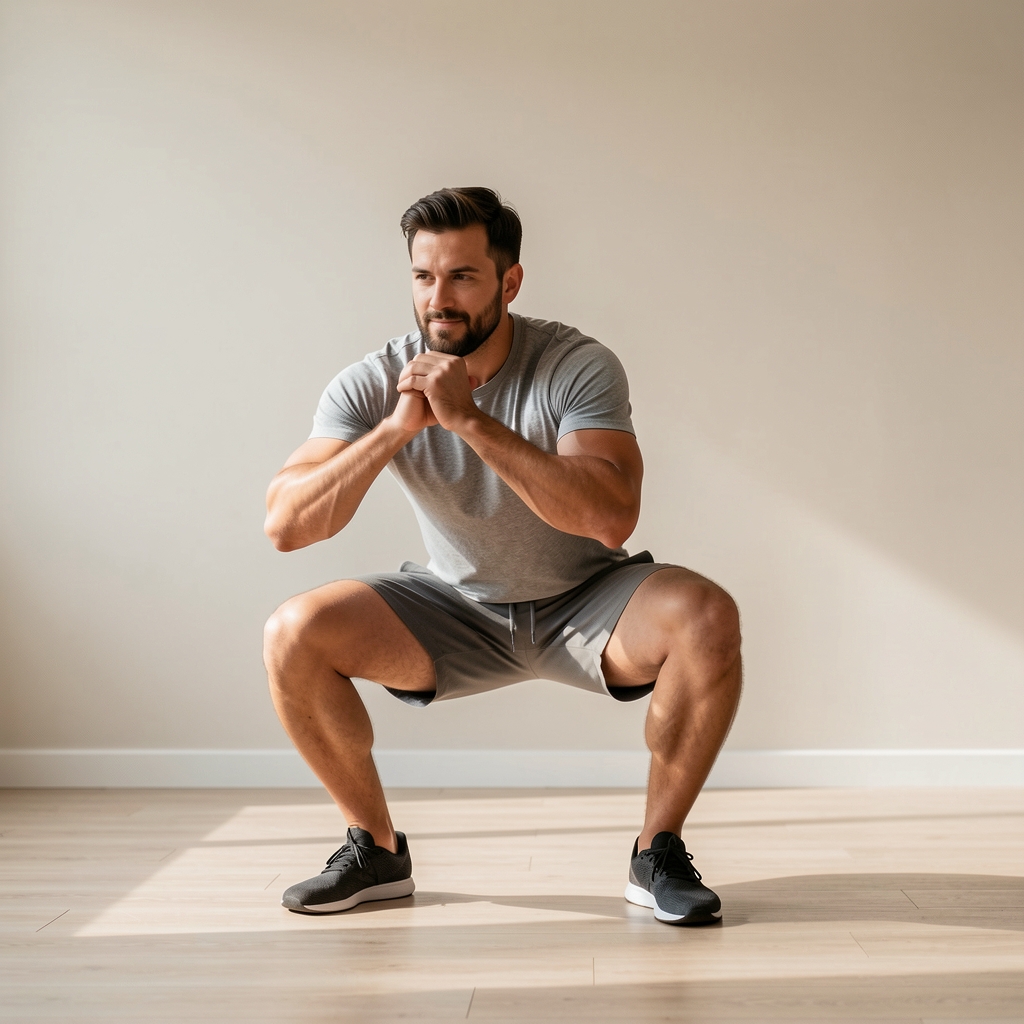
Start with control
Strength practice is often described through numbers, but the first useful measure is attention. Can you move through a comfortable range, keep your breathing steady, and stop before form becomes hurried?
Begin with movements that resemble daily actions: standing from a chair, carrying a light bag, reaching overhead, or stepping with balance. Use a stable surface and choose a pace that leaves room to learn.

A considered session
- Warm up with easy walking and joint circles.
- Practice one or two familiar movement patterns.
- Rest between efforts and notice your breathing.
- Finish with a relaxed walk and a brief reflection.
Keep the measure human
A routine should support the wider day, not consume it. Increase challenge gradually, change only one element at a time, and allow recovery between sessions. Stop if you feel sharp, unusual, or persistent discomfort and seek individual guidance from a qualified professional.
Questions for your notebook
What felt steady today? Which movement deserves more patience? How did sleep, weather, and workload shape the session?
Read the foundations guide